Imjin ST Company Profile: What to Know About Its Fastening Technology and Safer Lock

Imjin ST is a specialized industrial fastening engineering company renowned for developing advanced vibration-proof fastening solutions, most notably its flagship product line, Safer Lock.
Imjin ST specializes in manufacturing advanced anti-loosening fasteners designed to solve catastrophic bolt joint failures in heavy industries, utilizing patented spring-integrated mechanics that lock tighter under severe operational dynamic loads.
- Core Specialty: Structural integrity solutions and anti-loosening mechanical hardware.
- Primary Innovation: Integrated spring auto-locking mechanism that counters severe vibration.
- Target Sectors: Railway systems, heavy construction, plant engineering, and vibrating machinery.
- Maintenance Impact: Eliminates continuous re-torquing and lowers catastrophic failure risks.
Who Is Imjin ST in the Industrial Fastener Industry?
Maintaining joint clamp force under dynamic vibration has long challenged mechanical engineers. Standard hex nuts and nylon-insert fasteners frequently degrade when subjected to severe harmonics, leading to costly maintenance routines or dangerous mechanical detachments.
Imjin ST established its market position by focusing entirely on fail-safe fastening technology. Rather than relying solely on chemical threadlockers or simple friction increases, the company engineered mechanical locknuts capable of sustaining structural clamp force indefinitely across harsh operational environments.
By focusing on structural reliability, the manufacturer provides engineered fastening systems to industries where unexpected fastener failure carries substantial safety and financial consequences.
How Does Safer Lock Technology Prevent Vibration Loosening?
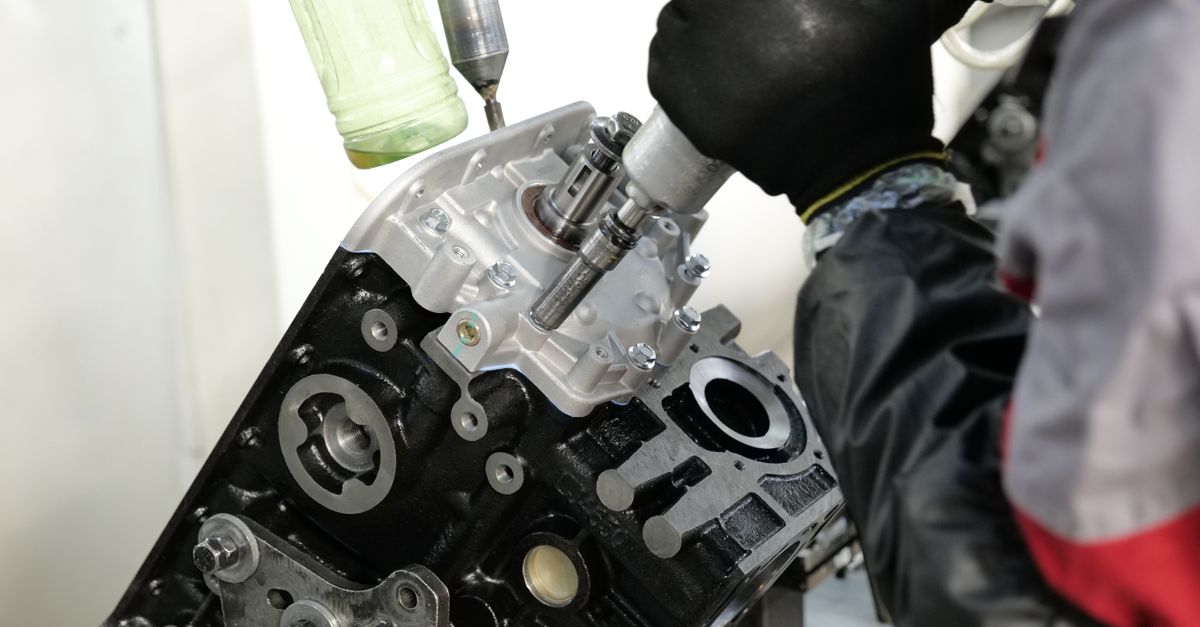
Standard fasteners loosen because transverse vibration overcomes the frictional resistance between bolt and nut threads. Once relative motion begins, the clamp force drops exponentially.
The patented Safer Lock system introduces a distinct approach. To understand how the internal geometry operates, explore the mechanics of anti-loosening technology, which details the auto-locking physics behind mechanical springs.
- Auto-Locking Spring Integration: A specialized internal spring coil expands during installation and contracts against counter-rotational movement.
- Independent Radial Grip: The locking component directly engages the bolt thread surface independently of axial clamp tension.
- Reversible Engagement: The nut can be removed easily with standard hand tools without stripping bolt threads.
When external vibration attempts to rotate the nut backward, the internal locking spring contracts around the bolt crests, instantly multiplying counter-torque and preventing self-loosening.
Why Do Traditional Fasteners Fail Under Extreme Loads?
Selecting the right fastening solution requires evaluating how conventional methods perform compared to mechanical locking nuts under severe operating conditions.
| Fastening Method | Mechanism Type | Vibration Resistance | Reusability | Maintenance Demand |
|---|---|---|---|---|
| Standard Hex Nut | Thread Friction Only | Poor (Rapid loosening) | High | Frequent re-torquing required |
| Split Spring Washer | Frictional Spring Tension | Low (Flattens under load) | Moderate | Periodic replacement |
| Chemical Threadlocker | Anaerobic Adhesive Bond | Moderate (Degrades with heat) | None (Requires re-application) | High prep time |
| Safer Lock Nut | Mechanical Auto-Lock Spring | Exceptional (Zero back-off) | High | Minimal inspection needed |
Understanding these differences clarifies why critical infrastructure projects transition away from single-use adhesives and basic friction washers.
What Are the Primary Applications and Operational Benefits?
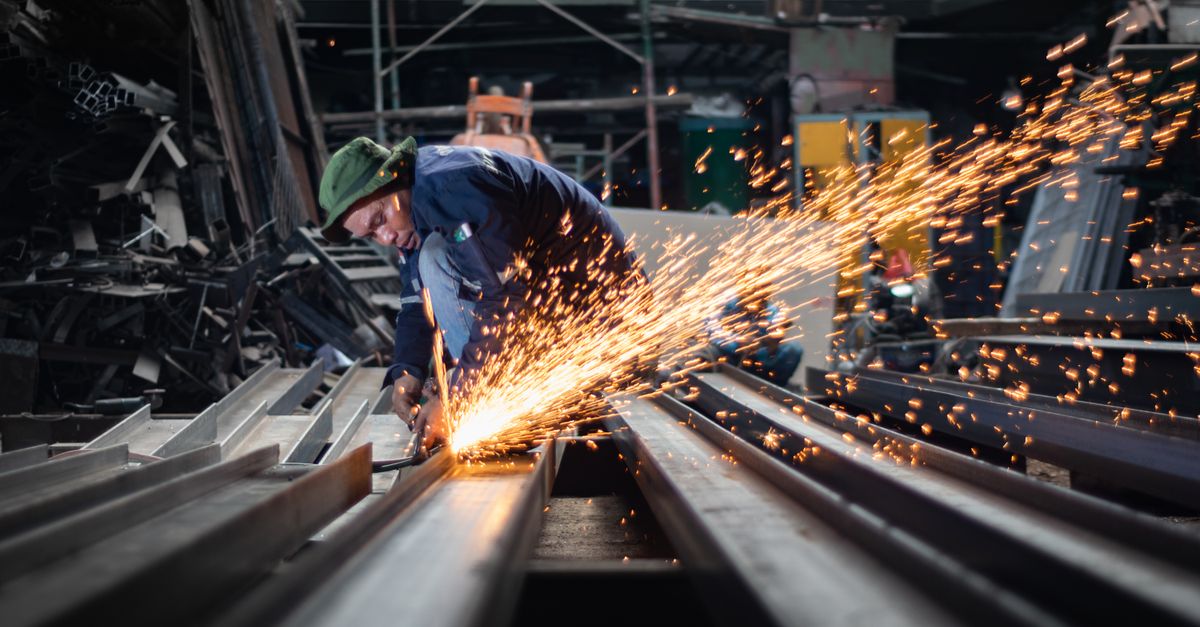
Fastening failures in infrastructure lead directly to downtime and hazard risks. Assessing the ROI of anti-loosening nuts for industrial safety demonstrates how eliminating retightening schedules protects capital investment.
Track switches, bogies, and rail joints experience relentless impact shocks that Safer Lock withstands without loosening.
Vibratory screens, crushers, and mining hardware maintain operational continuity without scheduled retightening shutdowns.
Wind turbine nacelles and structural tower mountings benefit from zero-maintenance joint retention in hard-to-access locations.
Engineers prioritizing quality assurance frequently consult fastener quality standards and international certifications to ensure structural components meet strict testing parameters like the NAS 3350 accelerated vibration standard.
Furthermore, facilities value rapid installation. Fasteners like Safer Lock support efficient site practices without specialized proprietary tooling, which is detailed in the guide on fastener reusability and maintenance efficiency.
Frequently Asked Questions
Can Safer Lock nuts be reused after disassembly?
Yes. Because Safer Lock relies on an elastic mechanical spring rather than thread deformation or chemical bonding, it can be uninstalled and reused multiple times without sacrificing clamping reliability.
Do Safer Lock nuts require special installation tools?
No. Safer Lock is designed to be tightened and removed using standard socket wrenches and calibrated torque tools suited to the specified bolt diameter.
How does temperature affect the performance of Safer Lock?
Unlike nylon-insert nuts or chemical threadlockers that degrade under elevated temperatures, Safer Lock uses all-metal stainless or alloy steel components that retain locking ability across broad thermal ranges.