Ensuring Structural Integrity in Mega-Vessels: The Crucial Role of Self-Locking Nuts

Modern mega-vessels operate under some of the most unforgiving dynamic conditions on the planet. From continuous propulsion vibration to violent cyclic wave impacts, every structural joint faces relentless shear stress and transverse loading.
Self-locking nuts ensure the structural integrity of mega-vessels by permanently preventing fastener back-off caused by continuous engine vibration, hull flexing, and cyclic hydrodynamic loads. By maintaining designed clamp load, they eliminate catastrophic joint failure and protect vital marine assets.
- Standard nuts lose preload rapidly under transverse vibration and marine cyclic loading.
- Specialized self-locking solutions like Safer Lock by Imjin ST provide friction-independent mechanical locking.
- Adopting engineered locking nuts drastically cuts drydock inspection hours and extends equipment lifespan.
Why Do Bolted Joints Fail on Mega-Vessels?
Mega-container ships, LNG carriers, and bulk carriers endure constant multi-axial forces. When massive two-stroke marine engines run at full sea speed, low-frequency vibrations propagate through the entire hull girder.
Standard fasteners rely purely on thread friction to maintain their clamp load. When subjected to transverse vibration and cyclic hogging and sagging stresses, this friction drops instantaneously, leading to micro-rotations and rapid self-loosening.
- Transverse Vibration: Propulsion systems, turbochargers, and auxiliary generators generate relentless lateral vibration.
- Dynamic Wave Bending: Cyclic hull flexing induces shifting shear stresses across structural flanges and crane mounts.
- Thermal Cycling: Exhaust manifolds and deck equipment experience severe temperature swings, causing thermal expansion differentials.
How Do Self-Locking Nuts Prevent Fastener Loosening at Sea?
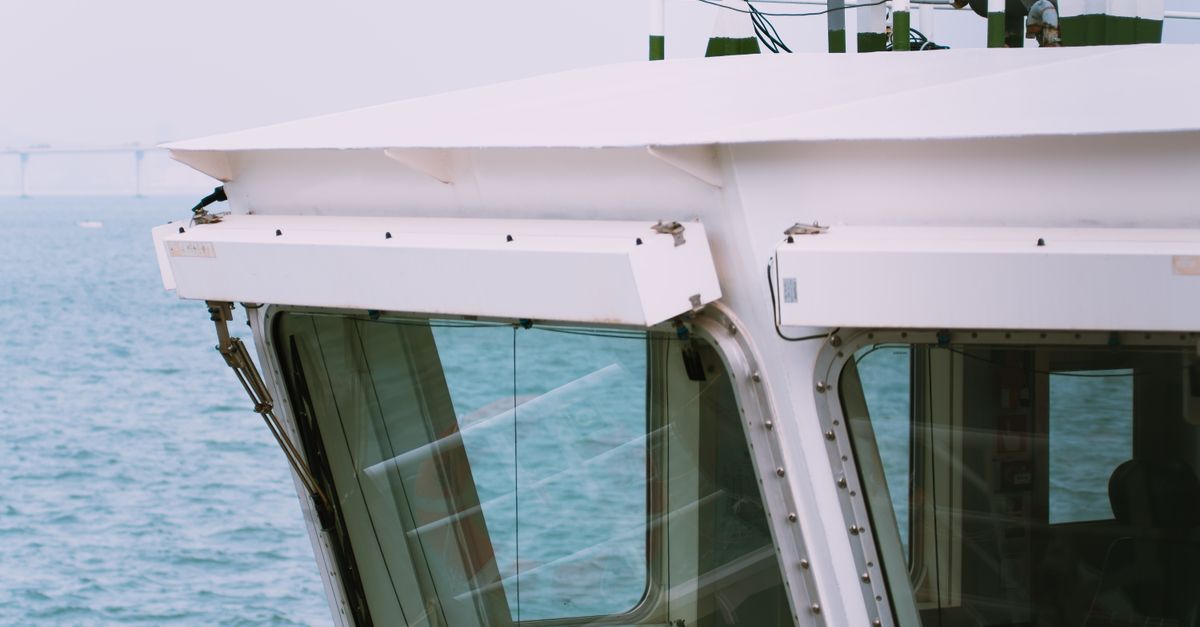
Traditional secondary locking methods—such as split pins, spring washers, and double nuts—often fall short under severe marine conditions. Spring washers flatten permanently under high torque, while chemical threadlockers degrade in corrosive salt air and high-temperature engine rooms.
A specialized self-locking nut delivers positive locking action through mechanical design rather than depending solely on seating torque friction. Solutions developed by specialized manufacturers, such as Imjin ST, incorporate internal friction-locking or eccentric locking mechanisms that actively resist backward rotation even when external vibration peaks.
When selecting marine fasteners, understanding structural fit is essential. Before upgrading critical joints, engineers should verify Safer Lock bolt compatibility to ensure exact thread engagement and material synergy with existing studs.
Fastener Comparison: Standard Nuts vs. Engineered Self-Locking Nuts
Marine superintendents often compare various fastening methods to balance procurement budgets against long-term maintenance costs. The table below illustrates how different fastening strategies perform under typical mega-vessel operating environments.
| Fastening Method | Vibration Resistance | Maintenance Demand | Corrosion & Temperature Resilience | Reusability |
|---|---|---|---|---|
| Standard Nut + Flat Washer | Very Low (Loosens quickly) | High (Frequent re-torquing required) | Standard | High (If not damaged) |
| Double Nut System | Moderate (Prone to human error) | Moderate (Difficult torque validation) | Standard | Moderate |
| Chemical Threadlocker | Moderate (Degrades with heat) | High (Requires reapplication) | Low (Weak against chemicals/heat) | None (Single use) |
| Safer Lock (Self-Locking) | Exceptional (Mechanical resistance) | Minimal (Zero retorquing cycles) | High (Marine-grade materials available) | Excellent (Maintains locking ability) |
What Is the Real Return on Investment for Marine Safety?
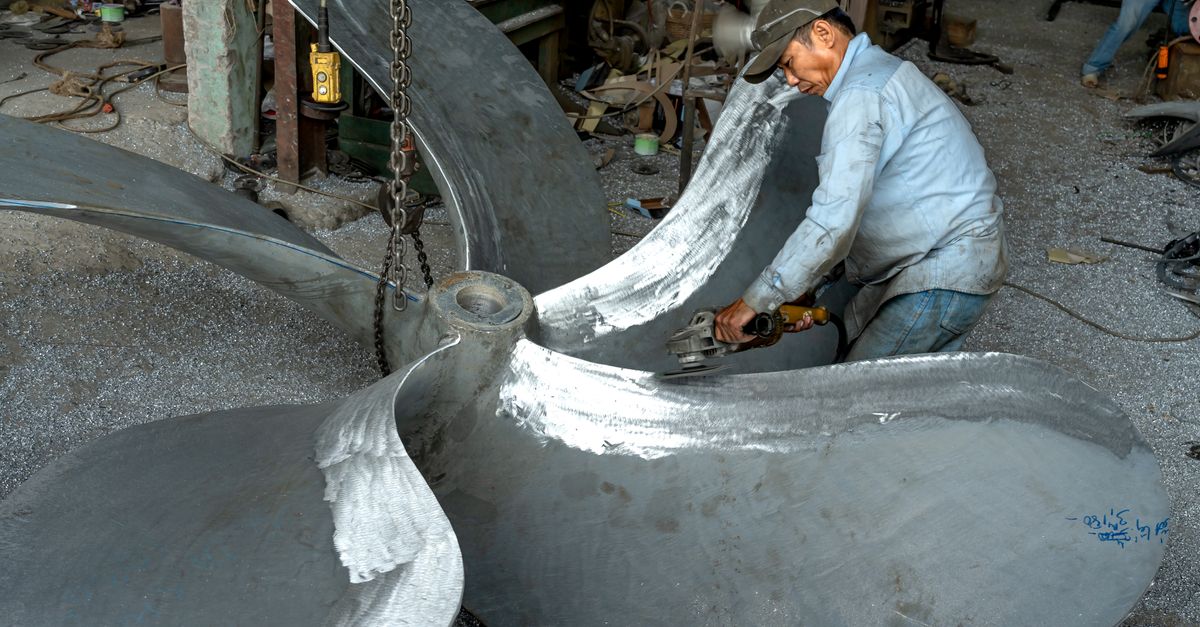
While engineered locking fasteners carry a higher initial unit price than commodity hardware, their operational return on investment is substantial. Fastener failure in offshore or deep-sea conditions results in unscheduled engine downtime, emergency offshore repairs, and extreme safety hazards.
Investing in reliable locking hardware substantially reduces planned maintenance overhead during scheduled drydock visits, as explored in detail in the ROI of anti-loosening nuts for industrial safety.
Before issuing procurement orders for deck machinery, propulsion mounts, or hatch cover assemblies, evaluate these core requirements:
- Vibration Severity: Does the joint sit directly on or adjacent to high-vibration equipment (propulsion, thrusters, pumps)?
- Accessibility: Is the joint located in confined double bottoms, mastheads, or cargo holds where regular retorquing is impossible?
- Criticality: Would joint failure cause environmental contamination, flooding, or propulsion blackout?
- Specification Match: Review Safer Lock specifications and quote requirements to ensure matching thread pitches, hardness ratings, and plating standards.
Frequently Asked Questions
Can self-locking nuts be reused during routine drydock overhauls?
Yes, premium all-metal self-locking nuts such as Safer Lock are engineered for multiple installations and removals without degrading their internal locking torque, provided threads remain undamaged.
Do self-locking nuts require non-standard bolts or specialized installation tools?
Most advanced mechanical locking nuts fit standard metric and imperial bolt threads and install using standard impact wrenches or calibrated torque wrenches without requiring specialty tooling.
How do self-locking nuts handle severe marine corrosion?
Self-locking nuts for shipbuilding are manufactured in marine-grade stainless steels or coated with advanced anti-corrosion treatments designed to withstand continuous saltwater exposure and salt spray.