Upgrading industrial joints to anti-loosening hardware often raises a critical engineering concern: do you need to replace your existing bolts? The answer is straightforward.
Safer Lock nuts are engineered to fit standard standard metric and imperial bolts directly without requiring specialized thread modifications or bespoke fastener replacements.
- Safer Lock integrates with standard ISO metric and unified national thread profiles.
- Requires at least 2 to 3 exposed threads past the nut face after complete torque application.
- Maintains locking integrity when matched to bolt strength grades equal to or higher than property class 8.8 (Grade 5).
- Manufactured by Imjin ST, delivering verified resistance against severe dynamic shock and vibration.
What Makes Safer Lock Compatible with Existing Fasteners?
Traditional lock nuts often require custom shank profiles, cotter pin holes, or non-standard thread pitches. In contrast, Safer Lock uses an integrated mechanical locking mechanism that engages standard external threads.
Developed by Imjin ST, an engineering specialist dedicated to vibration-proof fastening technology, Safer Lock eliminates the need to scrap existing inventory. The internal design redistributes vibrational loads along the thread flank without damaging the host bolt threads.
Because the system relies on physical locking rather than thread distortion, users benefit from superior fastener reusability and maintenance efficiency across recurring inspection intervals.
How Do I Verify Bolt Compatibility for Safer Lock?

Before retrofitting Safer Lock nuts onto operating equipment, verify that your current studs or bolts meet four fundamental geometric and physical criteria.
- Thread Profile: Confirm standard ISO metric (coarse/fine) or Unified National (UNC/UNF) specification.
- Thread Pitch: Measure pitch using a pitch gauge to ensure it matches the internal nut profile.
- Protrusion Length: Ensure at least 2 full pitches extend beyond the top face of the installed nut.
- Bolt Class: Pair with standard structural fasteners matching minimum tensile strength requirements.
Evaluating these parameters ensures immediate seating and prevents thread galling or premature joint separation under operational stress.
Fastener Compatibility Matrix: Standard vs. Safer Lock
To determine how your current setup adapts to Safer Lock, review the practical compatibility scenarios outlined below:
| Existing Bolt Condition | Compatibility Level | Required Action |
|---|---|---|
| Standard ISO Metric Bolt (Class 8.8 / 10.9) | Direct Fit (100%) | Directly replace standard nut with Safer Lock; no modifications needed. |
| Short Bolt Protrusion (Flush with nut) | Conditional Fit | Replace with a slightly longer bolt to ensure 2 to 3 exposed threads. |
| Deformed or Stripped Host Threads | Not Recommended | Replace damaged bolt before installing any locking fastener. |
| High-Tensile Structural Bolt (Class 12.9) | Direct Fit (100%) | Specify matching high-strength Safer Lock alloy material. |
| Prevailing Torque Distorted Thread Bolt | Not Recommended | Use clean, non-deformed standard threads for optimal locking engagement. |
Common Fitment Mistakes and How to Avoid Them
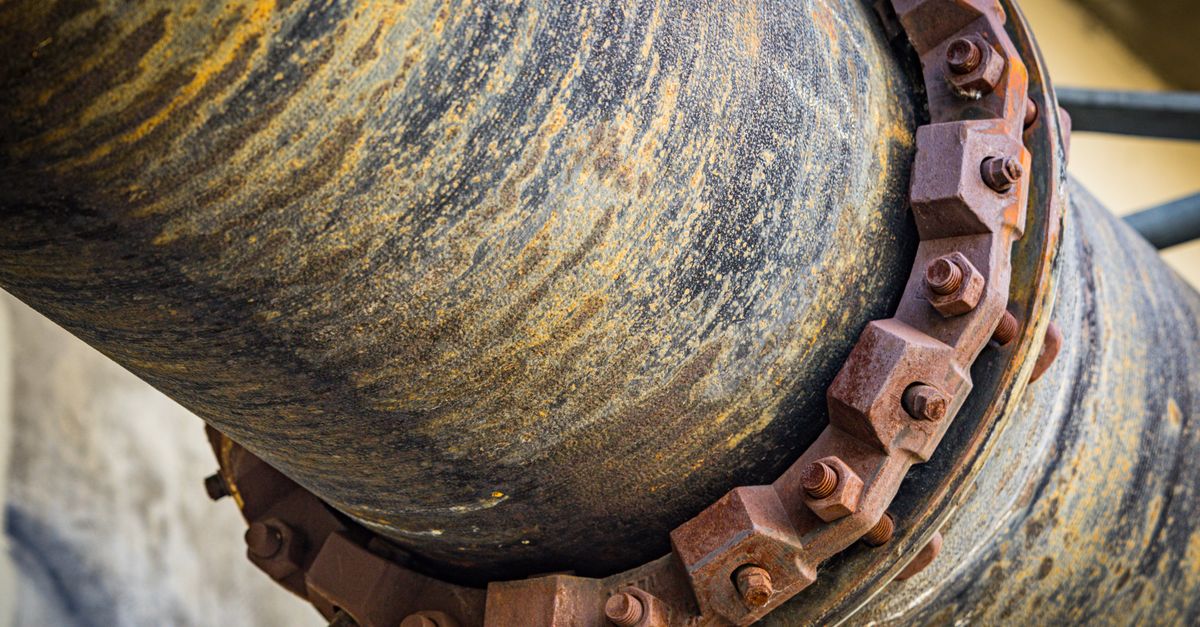
Even with universal thread compatibility, improper installation habits can compromise joint reliability. Watch out for these frequent oversights:
Heavy debris, metal shavings, or old threadlockers can interfere with proper seating and distort friction values during tightening.
Using bolts that terminate flush inside the nut prevents the secondary locking feature from fully gripping the external thread profile.
Pairing a high-grade locking nut with a soft, unrated carbon steel bolt can cause thread shear under high dynamic vibration.
Understanding these critical verification steps also protects equipment reliability and supports long-term safety, delivering a measurable return on investment by preventing industrial accidents.
Frequently Asked Questions
Do I need special tools to install Safer Lock on standard bolts?
No. Safer Lock is designed for installation using standard hand wrenches, pneumatic tools, or calibrated torque wrenches common in maintenance shops.
Can Safer Lock be reused on the same bolt after removal?
Yes. Because the mechanism does not destroy or distort the host bolt threads, both the nut and bolt can be disassembled and inspected for reuse.
How many threads must extend past the nut?
A minimum of 2 to 3 thread pitches should protrude past the top face of the nut to ensure complete contact with the locking element.
Does Safer Lock work on threaded rods and studs?
Yes. As long as the rod or stud conforms to standard metric or imperial thread tolerances, Safer Lock functions properly.