Workability & Reusability Title: Rapid Installation, Easy Disassembly, and Reusability: Fastener Innovations That Reduce Maintenance Fatigue Keywords: Fastener Reusability, Easy Disassembly, Maintenance Efficiency, Operational Speed

Modern industrial plants, transit systems, and automated production lines rely on thousands of bolted connections that require frequent inspection, retightening, or component replacement. When fastening systems demand specialized installation steps, messy chemical adhesives, or destructive removal methods, routine maintenance quickly turns into a major operational bottleneck.
Reusable mechanical lock nuts solve this challenge by combining robust vibration resistance with smooth, non-destructive installation and disassembly using standard tools. By preserving thread integrity across multiple service cycles, these fasteners lower physical worker fatigue and substantially reduce scheduled downtime.

- Traditional anti-loosening methods like thread-locking fluids or deformed-thread nuts often damage bolt threads and slow down turnaround times.
- Engineered mechanical locking systems allow rapid torque application and smooth removal without galling.
- Reusability directly lowers replacement fastener inventory and cuts field maintenance labor costs.
- Adhering to standard tooling and inspection guidelines ensures consistent locking integrity across repeated cycles.
The Hidden Cost of High-Maintenance Fastening Systems
Fastener maintenance is rarely just about tightening a bolt. In high-vibration settings, field engineers spend countless hours applying thread lockers, checking split pins, or cutting away seized nuts that cannot be backed off cleanly.
Chemical thread lockers introduce curing wait times, require surface cleaning, and degrade under severe thermal cycles. Meanwhile, deformed-thread prevailing torque nuts generate excessive friction during initial assembly, often leading to thread galling and stripping. When a joint must be serviced, damaged bolts must be cut out and replaced, multiplying downtime and introducing unnecessary physical strain on maintenance crews.
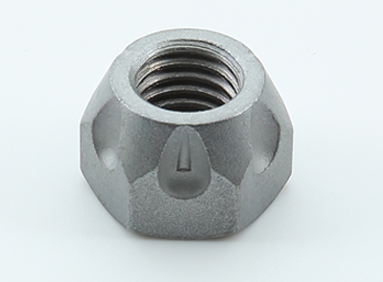
Understanding the underlying mechanics helps teams prevent these issues early on. For a deeper breakdown of how structural spring systems compare against pure friction-based fasteners, explore the Mechanics of Anti-Loosening Technology.
Why Does Fastener Workability Matter for Plant Operations?
Workability refers to the speed, ease, and ergonomic simplicity with which a technician can install or remove a fastener in field conditions. When workers handle hundreds of joints per shift, small inefficiencies add up to substantial labor overhead and fatigue.
- Zero Surface Prep: Eliminates the need for degreasing chemicals or post-assembly curing periods.
- Standard Tool Compatibility: Works with standard sockets, impact wrenches, and torque wrenches without proprietary adapters.
- Smooth Spin-Down: Free-spinning design until final seating prevents repetitive wrist strain and speeds up installation.
- Clean Disengagement: Backs off smoothly without shearing the bolt shank or ruining external threads.
| Fastener Type | Installation Speed | Disassembly Ease | Thread Reusability | Maintenance Impact |
|---|---|---|---|---|
| Standard Nut + Chemical Locker | Slow (Cleaning & Curing) | Difficult (Heat Required) | Low (Residue Buildup) | High Downtime |
| Prevailing Torque (Deformed) | Moderate (High Resistance) | Moderate (Risk of Galling) | Very Low (1-2 Uses Max) | Frequent Bolt Replacements |
| Double Nut System | Slow (Dual Tightening) | Moderate (Sequential Removal) | Moderate | Operator Error Prone |
| Reusable Mechanical Lock Nut | Fast (Free-Spin to Torque) | Fast (Standard Socket) | High (Multi-Cycle Integrity) | Minimal Labor & Downtime |
How Do Reusable Lock Nuts Maintain Holding Force Over Multiple Cycles?
True fastener reusability requires that the locking mechanism operates within its elastic limits rather than relying on plastic thread deformation. When a locking nut uses an engineered spring mechanism, the clamping force and locking engagement disengage cleanly upon counter-torque rotation.
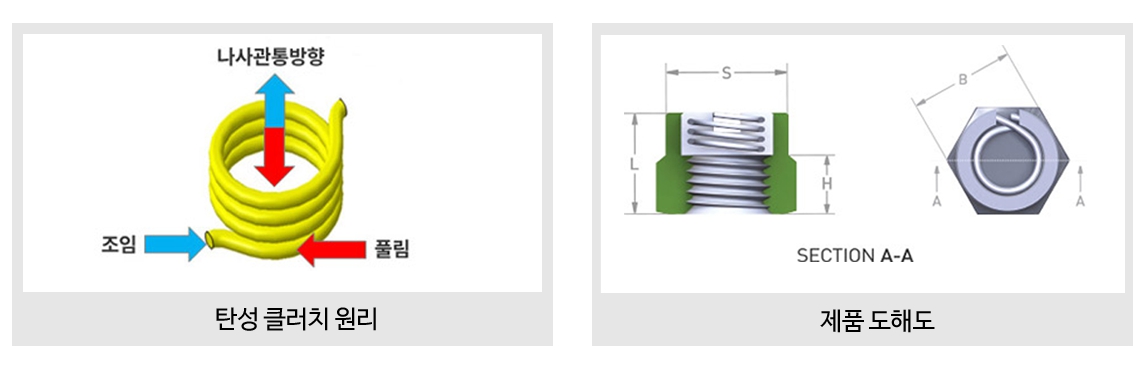
Because the internal spring adapts to the bolt thread pitch without gouging the metal, both the male and female threads remain intact after disassembly. Technicians can inspect, lubricate if necessary, and reinstall the same hardware during regular overhaul schedules, maintaining full locking reliability without replacing studs or bolts.
Proper torque application remains essential to protect both the fastener and the joint structure during reuse. Review the detailed standards in the Tool Selection and Tightening Guidelines to ensure maximum joint reliability on-site.
Preserving bolt thread integrity during removal is the single most effective way to eliminate unplanned replacement delays during turnaround overhauls.
Practical Steps to Maximize Fastener Reusability in the Field
To get the longest service life and highest safety margin from reusable anti-loosening fasteners, maintenance teams should follow a consistent field workflow.
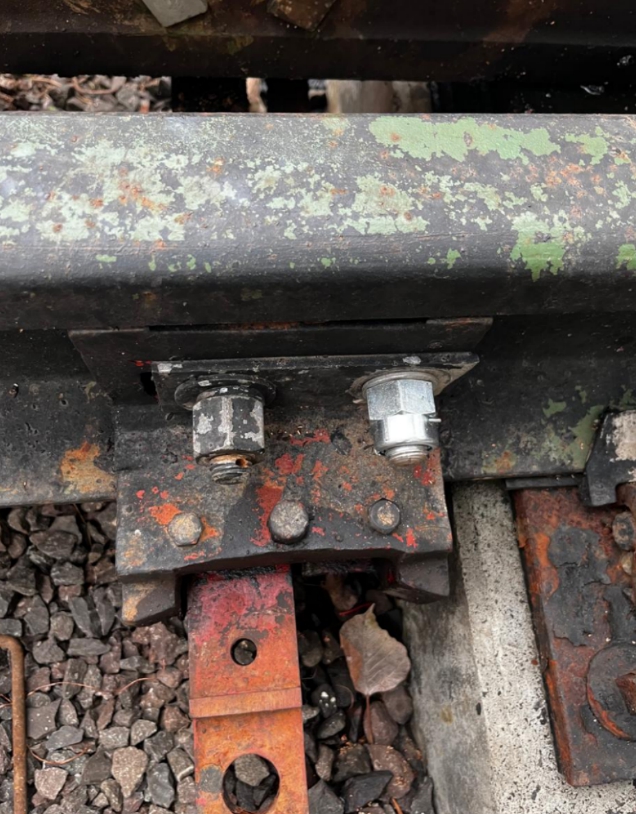
- Visual Inspection: Check both bolt and nut threads for excessive corrosion, cracks, or mechanical distortion before reassembly.
- Clean Mating Surfaces: Wipe away heavy grit, metal shavings, or abrasive debris from the joint interface.
- Free-Spin Engagement: Thread the nut onto the bolt by hand to verify smooth travel along the shank.
- Calibrated Torque Tightening: Apply the specified installation torque using a calibrated wrench to prevent over-stretching the bolt.
- Cycle Logging: Track component replacement schedules in critical machinery logbooks according to plant maintenance protocols.
Frequently Asked Questions
How many times can a mechanical anti-loosening nut typically be reused?
Reusability depends on operating conditions, material grades, and adherence to recommended torque limits. High-grade mechanical lock nuts that avoid thread deformation can typically be reused multiple times throughout standard maintenance intervals, provided visual thread inspection confirms no physical damage.
Do reusable lock nuts require special removal tools?
No. Quality mechanical lock nuts are designed to be installed and removed using standard manual or pneumatic sockets and wrenches, eliminating the need for torches, splitters, or proprietary tooling in the field.
Can reusable lock nuts replace double-nut or safety-wire systems?
Yes. Single-nut mechanical locking designs streamline the assembly process by eliminating the balancing act required in double-nut setups and removing the labor-intensive twisting process of lock wiring.

Leave your inquiry and our team will get back to you shortly.
📩 Imjin ST SaferLock Contact us