Resisting Marine Corrosion and Salt Spray: High-Strength Anti-Loosening Nuts and Advanced Surface Treatments

Marine environments subject structural fasteners to continuous salt fog, cyclic wave vibrations, and electrochemical deterioration. Standard fasteners frequently fail under these dual stresses, leading either to severe thread seizure or unexpected bolt loosening.
High-strength anti-loosening nuts combined with multi-layer barrier coatings provide durable clamp load retention and long-term corrosion resistance in extreme marine and offshore environments.
- Marine environments accelerate fastener failure through combined mechanical vibration and chloride-induced electrochemical corrosion.
- Traditional lock washers and chemical adhesives degrade quickly under continuous salt spray and dynamic ocean wave shock loads.
- Advanced anti-loosening designs, such as mechanical friction-locking wedges, maintain tension independently of torque degradation.
- Selecting matched surface treatments prevents galvanic corrosion between dissimilar structural metals.
Why Does the Marine Environment Accelerate Fastener Failure?
Offshore structures, cargo vessels, and coastal infrastructure face aggressive environmental conditions that standard industrial fasteners cannot withstand. Atmospheric chloride ions penetrate micro-crevices in standard thread engagements, triggering accelerated galvanic corrosion and pitting.
At the same time, offshore machinery experiences severe hydrodynamic turbulence, engine vibrations, and thermal expansion cycles. When salt deposits compromise the thread interface, microscopic relative motion begins. This dynamic shifting quickly degrades bolt preload, leading to joint separation or structural fatigue.
For large maritime applications, ensuring structural integrity in mega-vessels requires fastening components that specifically counter both cyclic vibrational fatigue and severe atmospheric oxidation.
How Do High-Strength Anti-Loosening Nuts Prevent Loosening?
Conventional fastening relies entirely on initial torque tension. Once salt corrosion degrades thread contact or wave impacts induce micro-vibrations, standard nuts lose rotational resistance and back off rapidly.
Specially engineered anti-loosening lock nuts employ physical wedge locking, dual-threaded mechanisms, or integrated spring rings. These mechanical configurations generate continuous radial locking pressure that resists multi-axial vibration regardless of torque loss.
A notable example is the Safer Lock mechanism, engineered by Imjin ST. Rather than relying on simple frictional interference, it uses a mechanical lock spring integrated within the nut body to lock the threads firmly into place, even during heavy vibration and severe thermal fluctuation.
- Continuous mechanical resistance independent of lubricating salt residues
- High tensile capacity matching or exceeding ISO bolt strength grades
- Reusable locking performance during scheduled marine overhauls
- Elimination of loose lock washers and secondary locking pins
Comparing Marine Fastener Coatings and Surface Treatments
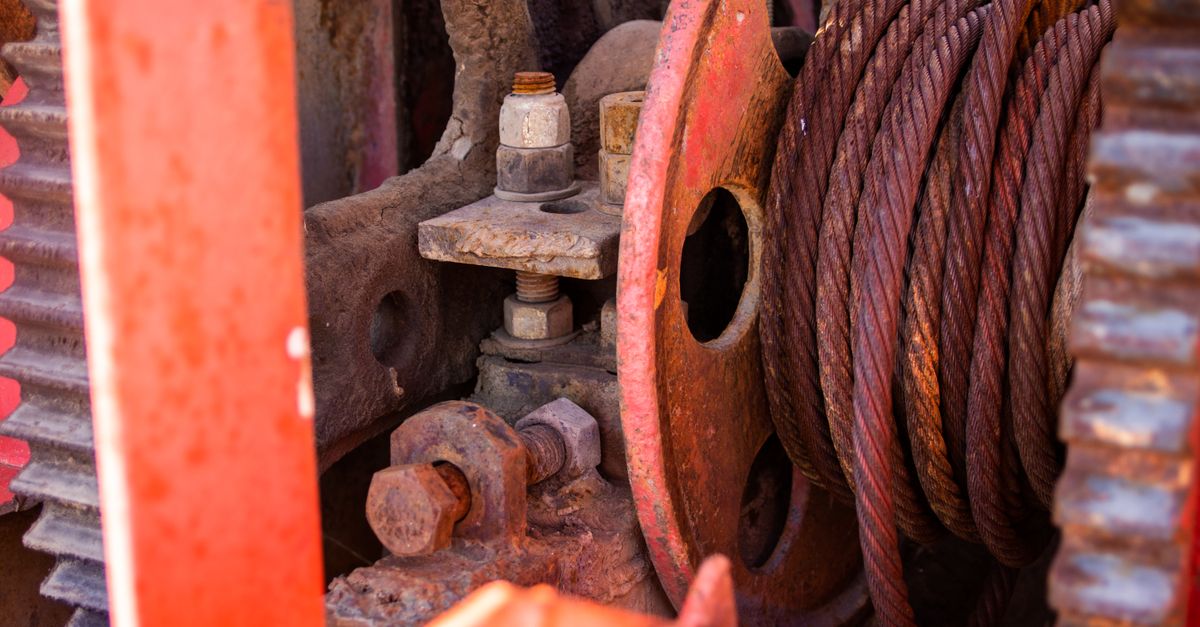
Mechanical locking design must be paired with appropriate surface protection to ensure nuts can be inspected and serviced over years of ocean exposure. The table below outlines how various coatings perform in high-salinity conditions.
| Surface Treatment Type | Salt Spray Resistance (ISO 9227) | Galvanic Compatibility | Recommended Marine Application |
|---|---|---|---|
| Standard Electro-Galvanized | 72 to 120 Hours | Low (Sacrificial layer depletes fast) | Indoor or temporary shore use only |
| Hot-Dip Galvanizing (HDG) | 500 to 1,000 Hours | Moderate (Thick zinc layer) | Static coastal steel frames, docks |
| Zinc Flake / Multi-Layer Barrier | 1,500 to 2,500+ Hours | High (No hydrogen embrittlement risk) | Dynamic offshore equipment, deck winches |
| Stainless Alloy (316 / Duplex) | Continuous Baseline | High (Requires anti-galling lubrication) | Subsea modules, exposed splash zones |
When selecting fasteners, understanding Safer Lock bolt compatibility ensures that both the parent bolt and mating nut share identical coating thicknesses, preventing thread galling during high-torque installation.
About Imjin ST: Advancing Anti-Loosening Fastener Technology
Headquartered in South Korea, Imjin ST specializes in manufacturing advanced locking fastener solutions designed for extreme industrial environments. The company developed the patented Safer Lock system to resolve chronic bolt loosening across railways, heavy construction machinery, and marine structures.
By integrating precision internal spring rings directly into standard nut bodies, Imjin ST provides fasteners that maintain reliable clamp loads under severe dynamic shock. Engineers interested in company capabilities and manufacturing standards can review the Imjin ST company profile and fastening technology.
Marine Fastener Selection and Installation Checklist

Proper specification before procurement avoids premature joint failure and costly emergency repairs at sea.
- Confirm that the nut strength class matches or exceeds the mating bolt (e.g., Class 8.8, 10.9).
- Verify that surface coatings provide at least 1,500 hours of salt spray protection for splash zones.
- Specify non-embrittling coating processes for high-strength bolts exceeding Grade 10.9.
- Ensure thread pitch and clearance accommodate heavy-duty anti-corrosion barrier layers.
- Follow manufacturer torque specifications without applying unauthorized thread pastes.
Before issuing purchase orders, engineering teams should consult technical guides on Safer Lock specifications and quote requirements to verify dimensional tolerances, coating types, and material certifications.
Frequently Asked Questions
Can anti-loosening nuts prevent galling in stainless steel marine joints?
Stainless steel fasteners are prone to galling under high-pressure friction. High-strength mechanical lock nuts featuring specialized anti-friction coatings reduce microscopic thread adhesion, enabling smooth installation without destroying threads.
Are zinc flake coated lock nuts safe for high-tensile structural bolts?
Yes. Unlike traditional electroplating, modern zinc flake coating processes do not involve acid pickling or high-risk electrodeposition, virtually eliminating the hazard of hydrogen embrittlement in high-strength fasteners.
How often should marine locking nuts be replaced during maintenance?
Mechanical anti-loosening nuts can typically be reused multiple times if the internal locking mechanism and surface coatings remain intact. Always inspect threads for chemical pitting, thread deformation, and coating wear before reinstallation.