Why Traditional Fasteners Drive Up Maintenance Budgets
Heavy machinery, bridges, and rail tracks constantly battle intense vibrations that inevitably cause conventional bolts to loosen. Maintenance teams spend countless hours re-tightening components, replacing lost hardware, and dealing with unexpected equipment downtime. These recurring expenses add up quickly over the lifespan of industrial assets, undermining your LCC reduction goals.
Bolt failure is rarely just about the cost of a single nut or bolt. The real financial drain comes from labor-intensive inspections, production halts, and potential safety hazards caused by structural loosening. Finding a reliable way to secure joints without constantly buying replacement parts is essential for long-term operational efficiency.
-
Traditional fasteners require frequent re-tightening and replacement due to continuous vibration.
-
Reusability and extended maintenance intervals are the key to cutting Life Cycle Cost (LCC).
-
Advanced locking mechanisms secure joints permanently while allowing easy disassembly when needed.
The True Impact of Life Cycle Cost (LCC) in Industrial Assets — LCC reduction
When purchasing industrial components, focusing solely on the initial purchase price often leads to hidden long-term losses. Maintenance costs, labor charges for frequent checks, and the economic impact of unexpected shutdowns form a massive part of total expenses. This broader financial picture is known as Life Cycle Cost (LCC).
To reduce LCC, facility managers must look beyond upfront savings and choose components that minimize ongoing operational labor. Fasteners that need replacement after every disassembly cycle continuously drain your budget. Shifting to durable, engineered solutions changes the financial equation entirely.
Evaluating total maintenance overhead reveals that labor and downtime usually cost significantly more than the fasteners themselves.
How Reusability Changes the Fastener Economics
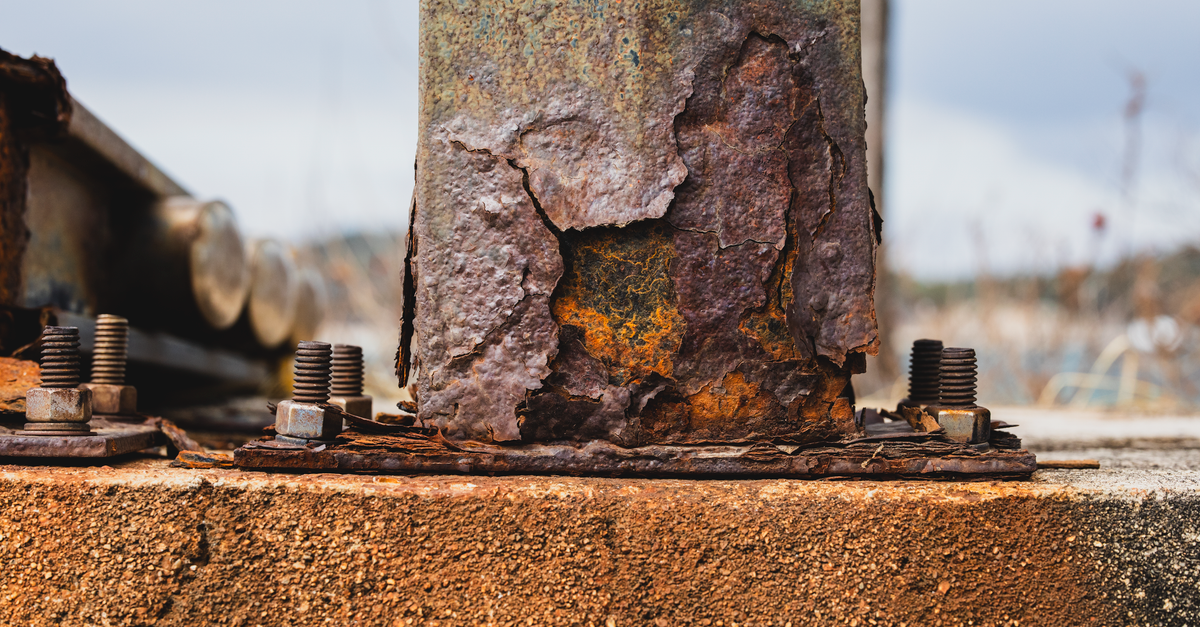
Many specialized anti-vibration solutions rely on single-use locking elements, plastic inserts, or deforming threads that get damaged upon removal. Once disassembled, these parts must be thrown away and replaced with new ones, driving up consumable costs over time.
Reusable locking nuts eliminate this waste by maintaining their structural integrity and locking performance across multiple installation and removal cycles. Because technicians can reuse the same nut during routine overhauls, material expenses drop significantly. For a deeper look at how this impacts total expenses, check out the guide on 유지보수 비용 50% 절감하는 법: 재사용 가능한 세이퍼락의 LCC 혁신.
-
Eliminates the need to purchase replacement locking elements after every inspection.
-
Shortens equipment turnaround time during scheduled maintenance windows.
-
Maintains consistent clamping force even after multiple reuse cycles.
-
Reduces spare parts inventory management and storage costs.
Safer Lock Technology: Securing Joints Without Damage
Preventing vibration loosening without damaging the mating threads is a major engineering challenge. Traditional high-friction or distortion-based locking methods often wear down the bolt threads, shortening the usable lifespan of expensive bolts and studs.
Safer Lock nuts utilize a unique locking mechanism designed to lock securely under severe vibrations without chewing up or destroying the bolt threads. This protects both the nut and the mating bolt, ensuring that both components remain in healthy condition for future maintenance cycles. You can explore the mechanics behind this performance in the detailed breakdown of Safer Lock Nut, 볼트 진동 풀림을 막는 독보적 풀림 방지 메커니즘 분석.
Protecting bolt thread integrity during removal is the secret to achieving long-term reusability and lower operating budgets.
Practical Steps to Lowering Maintenance Overheads
Optimizing your fastening strategy requires a systematic approach to asset management. Implementing high-performance locking solutions involves a few key operational shifts:
-
Identify high-vibration equipment experiencing chronic bolt loosening or frequent maintenance callouts.
-
Calculate the combined cost of replacement fasteners, labor hours, and production downtime for those specific assets.
-
Replace conventional hardware with durable, reusable anti-vibration nuts during the next scheduled overhaul.
-
Track maintenance intervals and spare parts consumption to measure clear reductions in operational expenditure.
Conclusion: Smart Fastening Choices for Sustainable Operations
Cutting maintenance costs is not about cutting corners; it is about investing in smarter, more resilient components. By choosing reusable anti-vibration fasteners that protect bolt threads and withstand intense dynamic loads, industrial facilities can slash both material waste and labor hours. Making the switch pays off dividends across the entire life cycle of your critical equipment.