Why Infrastructure Structures Face Severe Vibration Challenges
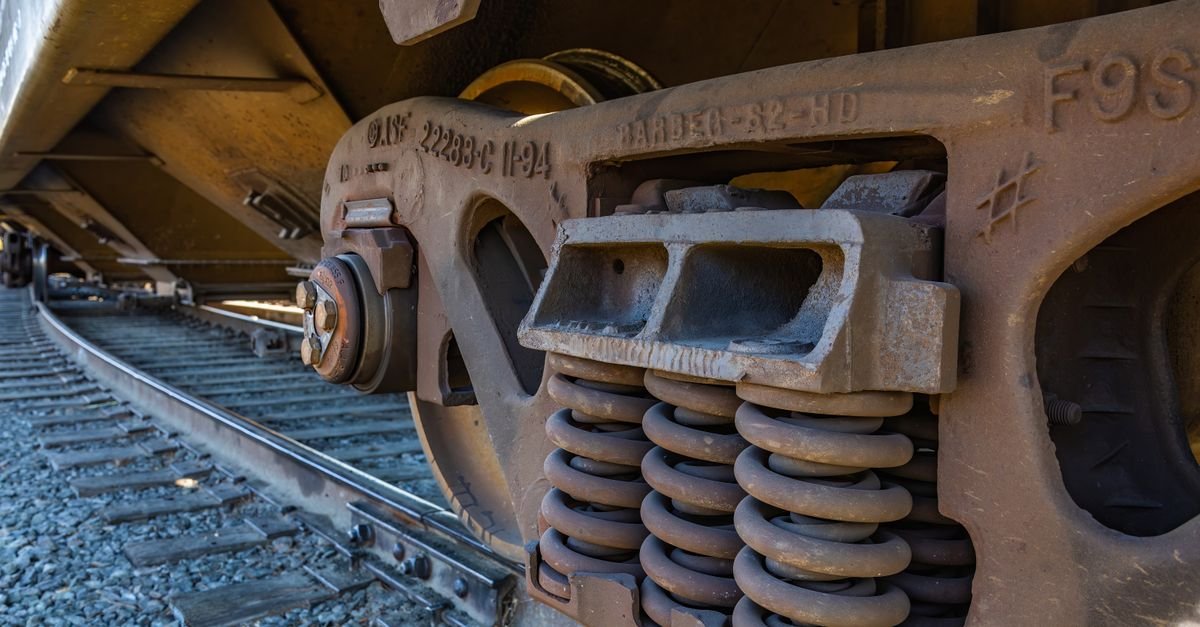
Large-scale infrastructure like railways and bridges endures constant, punishing dynamic loads every single day, and Safer Lock anti-vibration nut helps prevent standard threaded fasteners from backing away under these persistent vibrations. Heavy freight trains, high-speed rail networks, and continuous vehicular traffic generate immense mechanical stress and persistent vibrations across thousands of connection points.
When heavy structures shake continuously, standard threaded fasteners slowly begin to back away. Over time, micro-vibrations overcome standard friction, leading to loose bolts that threaten the structural integrity of entire assemblies.
Ignoring minor fastener loosening in heavy applications can escalate rapidly into catastrophic structural failure, massive repair costs, and severe safety hazards.
The Direct Answer: How Safer Lock anti-vibration nut Secures Critical Joints
Anti-vibration lock nuts prevent fasteners from backing out by utilizing specialized mechanical interference or wedge-locking designs that maintain constant clamping force despite continuous external shaking. Unlike conventional nuts that rely solely on thread friction, these engineering solutions lock themselves securely into position under tension.
If you want to understand the exact mechanics behind how specialized threads counter kinetic energy, take a look at why bolts loosen from vibration and Safer Lock’s mechanism for deeper technical insights.
Key Advantages in Railway and Bridge Engineering

Implementing advanced locking fasteners across heavy-duty environments offers distinct operational benefits that conventional hardware simply cannot match.
Maintains consistent preload pressure even under extreme cyclical loads and multi-directional shock.
Significantly lowers the frequency of manual re-torquing inspections on remote railway tracks and elevated bridge spans.
Prevents costly emergency shutdowns and structural repairs by eliminating unexpected bolt failure at the source.
Critical Evaluation Factors and Limitations
While anti-vibration nuts provide exceptional security, selecting and installing them requires careful attention to specific operational boundaries. You must weigh their advantages against application demands.
|
Evaluation Criteria |
Standard Fasteners |
Advanced Anti-Vibration Nuts |
|---|---|---|
|
Vibration Resistance |
Low (prone to backing out) |
High (locks securely under load) |
|
Initial Investment |
Low |
Higher |
|
Maintenance Frequency |
Frequent re-tightening required |
Minimal inspection intervals |
|
Reusability |
High (often degrades over time) |
Varies by design and wear |
To evaluate performance boundaries under demanding conditions, review Safer Lock Nut pros, cons, and decision criteria to see what specifications matter most for high-vibration setups.
For broader bridge maintenance context, you can also reference FHWA Bridge resources.
Best Practices for Installation and Maintenance
Even the most advanced locking hardware fails if installed incorrectly. Ensuring proper thread engagement is essential for optimal performance across critical infrastructure projects.
-
Inspect matching bolt threads for wear, debris, or distortion before assembly.
-
Apply the manufacturer-recommended torque specification uniformly using calibrated tools.
-
Verify proper thread contact area, as partial engagement can compromise clamping force distribution.
-
Schedule regular post-installation audits to monitor joint stability during initial operational phases.
To check how depth and engagement affect overall reliability, read more about full-contact vs partial thread engagement performance.
Essential Safety Checklist for Structural Fastening
-
Confirm that selected lock nuts match the specific load and vibration profile of the structure.
-
Never mix mismatched thread pitches or damaged hardware components.
-
Ensure maintenance personnel are trained in specialized torque guidelines.
-
Keep comprehensive logs of torque checks and hardware replacements across bridges and rail joints.
Securing heavy infrastructure demands absolute precision. Choosing the right anti-vibration technology transforms vulnerable connection points into resilient, long-lasting structural assets.
Frequently Asked Questions
Why do standard nuts fail in railway applications?
Standard nuts rely strictly on friction between threads. Constant high-frequency vibrations from passing trains overcome this friction, causing the nut to gradually rotate loose.
Can anti-vibration lock nuts be reused?
Reusability depends heavily on the specific mechanical design of the lock nut. Some types maintain their locking capability across multiple installations, while others are designed for single-use safety compliance.
How often should bridge fasteners be inspected?
Inspection schedules depend on local regulations, traffic volume, and environmental exposure, but advanced locking systems typically allow for extended maintenance intervals compared to standard hardware.
What is the most important factor when choosing a lock nut?
You must evaluate the specific vibration frequency, expected load capacity, environmental corrosion risks, and proper thread engagement requirements before selection.