Smart Factories and High-Speed/High-Vibration Equipment: Fastener Technology Optimized for Future Industrial Environments Keywords: Smart Factory, High-Speed Rotating Machinery, Advanced Equipment Fastening

Modern industrial environments operate at unprecedented speeds and under intense mechanical stresses. As facilities evolve toward automated smart factories, every single component must maintain absolute structural integrity to prevent catastrophic operational halts.
Fastener failure remains one of the most overlooked hidden risks in high-performance operations. When continuous high-speed movement and heavy mechanical vibration undermine standard bolts, entire production lines can grind to an abrupt halt.
- Smart factories require fastener solutions that withstand continuous high-speed vibration without manual retightening.
- Traditional locking mechanisms often degrade under extreme rotational forces and thermal expansion cycles.
- Advanced anti-vibration fastener technology safeguards heavy capital investments and eliminates unexpected downtime.
Understanding the Mechanical Challenges of Smart Factories
Smart factories rely on seamless data exchange, robotics, and continuous processing loops. However, this high level of automation introduces severe and unremitting mechanical agitation.
High-speed rotating machinery and automated conveyor systems generate complex harmonic frequencies. Over time, these micro-vibrations travel through structural frames and loosen standard threaded connections.
Once a single critical bolt begins to back out, the resulting misalignment can trigger cascading mechanical failures. Facility operators must look beyond basic torque specifications and evaluate the dynamic stability of their fastening systems under real-world stress conditions.
The Limitations of Conventional Fastening Methods
Traditional assembly methods often fail to keep pace with the demands of modern industrial environments. Standard lock washers, split pins, and nylon insert nuts rely on friction or physical interference that degrades over time.
When exposed to intense thermal cycling and continuous shock loads, friction-based fasteners gradually lose their clamping force. For instance, comparing standard fasteners against specialized solutions highlights how traditional components require frequent manual inspection and retightening.
Relying on legacy hardware in high-vibration applications introduces recurring labor costs and safety vulnerabilities. To maintain uninterrupted uptime, engineers must adopt solutions engineered specifically to block the vibration-resistant nut technology that prevents root-cause loosening.
Optimizing Equipment Reliability with Advanced Fastener Design
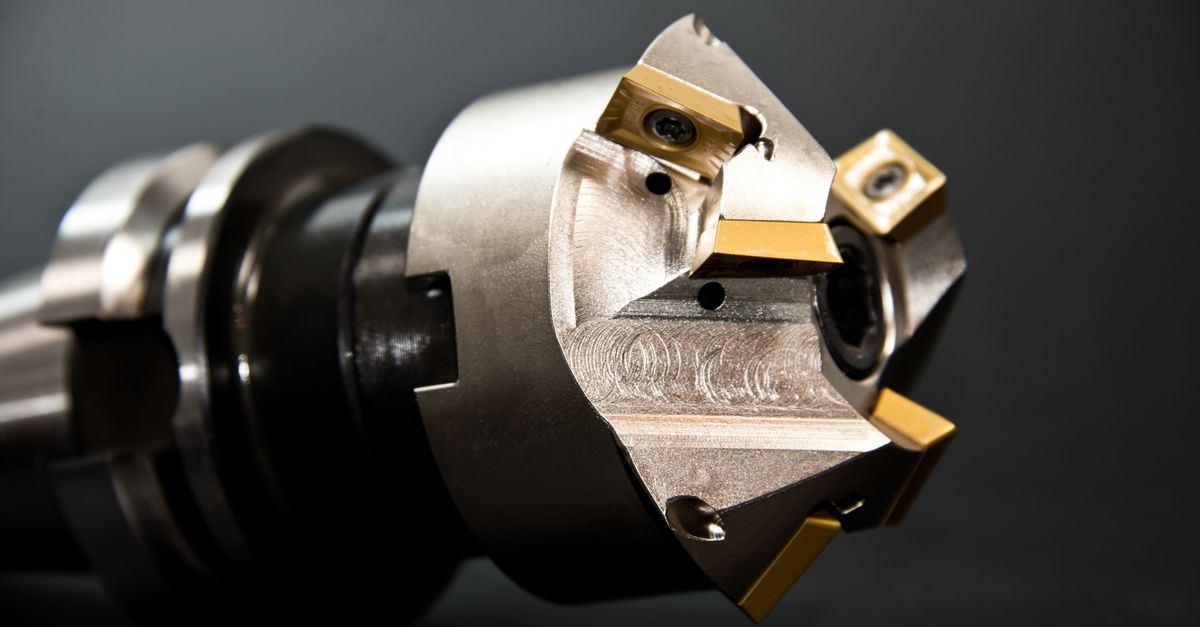
Advanced fastener technology utilizes specialized locking geometries that actively resist rotational backing under severe stress. Instead of merely increasing installation torque, these engineered nuts distribute clamping loads evenly and lock threads securely in place.
This mechanical reliability translates directly to operational continuity. Heavy equipment operating in automated plants benefits immensely from components proven under rigorous international standards, such as those validated by the NAS vibration test Safer Lock protocols.
By preventing microscopic shifting between mating threads, advanced fastening solutions preserve the calibration and alignment of sensitive industrial machinery, ensuring consistent output quality.
Balancing Initial Investment and Long-Term Operating Efficiency
Upgrading facility hardware involves careful financial evaluation. While specialized anti-vibration nuts carry a higher upfront acquisition cost than standard hardware, their lifecycle economic benefits are substantial.
Frequent maintenance interventions, emergency repairs, and unplanned production halts drain operational budgets far more than quality hardware. Deploying robust fastening solutions aligns with broader asset protection strategies, delivering an overwhelming ROI relative to initial cost by extending equipment lifespan and preventing serious workplace incidents.
- Evaluate dynamic vibration profiles before selecting fastening hardware for high-speed equipment.
- Prioritize certified locking mechanisms that eliminate the need for thread-locking adhesives and frequent retightening.
- Factor in total lifecycle cost reductions, including minimized labor hours and zero unplanned downtime.
Securing Future Industrial Growth
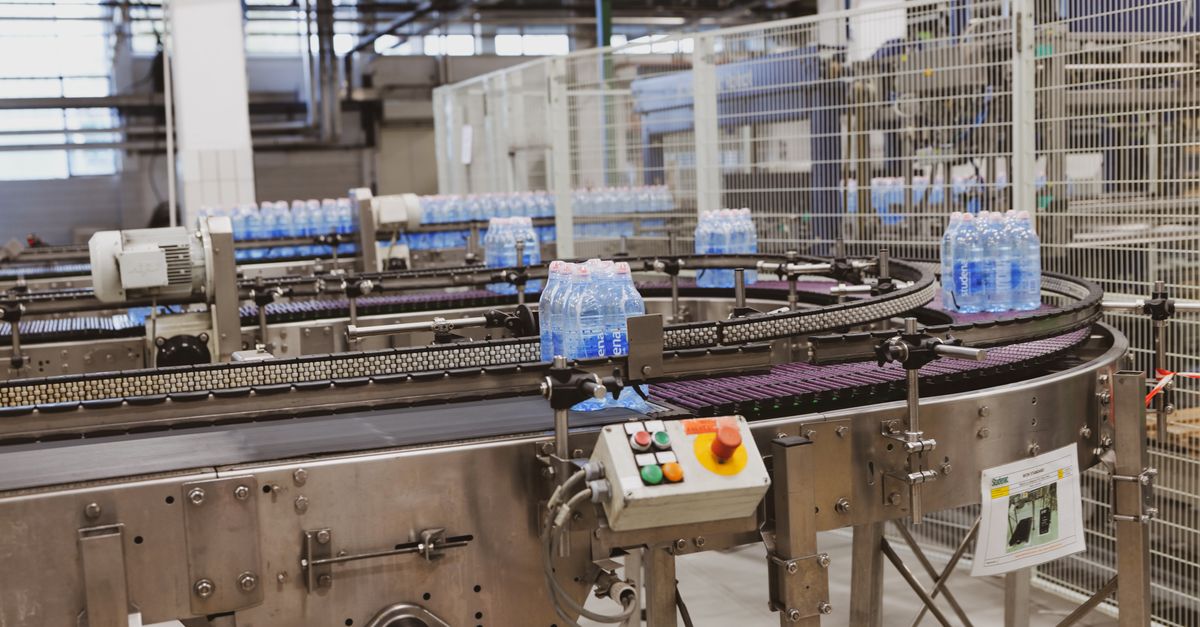
As industrial automation expands, the margin for mechanical error shrinks close to zero. Protecting high-speed machinery from the destructive forces of vibration is no longer optional—it is a fundamental requirement for competitive manufacturing.
Implementing reliable, engineered fastener technology ensures that smart factories can operate at peak velocity without compromising safety or structural stability. Investing in superior connection integrity today safeguards industrial assets for tomorrow.
Frequently Asked Questions
Why do standard fasteners fail in smart factories?
Smart factories feature continuous high-speed machinery and automated systems that generate constant micro-vibrations. These vibrations gradually overcome the friction of standard bolts and nuts, causing them to loosen over time.
How do advanced anti-vibration nuts differ from nylon insert nuts?
Standard nylon insert nuts rely on plastic deformation to create friction, which degrades under high heat and heavy cyclic loads. Advanced locking nuts utilize specialized metal-on-metal mechanical engagement designed to withstand extreme vibration without losing clamp load.
Can advanced fasteners be reused during equipment maintenance?
Many engineered anti-vibration nuts are designed for multiple re-applications without losing their locking effectiveness, helping facilities lower long-term lifecycle maintenance costs.
What standards verify the reliability of high-performance fasteners?
Reputable fasteners undergo rigorous testing procedures, including rigorous aerospace and industrial shock standards like the NAS vibration tests, to prove their resistance to extreme mechanical agitation.